Superhero films have transformed from niche entertainment into the most commercially successful genre in cinema history. The journey from Christopher Reeve putting on a cape in 1978 to the billion-dollar multiverse epics of today is a fascinating story of creativity, technology, risk, and cultural change.
The Beginning: Superman (1978)
Richard Donner's Superman is where modern superhero cinema truly began. Starring Christopher Reeve in the title role, the film proved that a superhero story could be taken seriously, treated with emotion and spectacle, and accepted by mainstream audiences. The film's tagline — "You'll Believe a Man Can Fly" — set the tone for everything that followed.
The Dark Years: 1990s Struggles
The 1990s were mixed for superhero films. Tim Burton's Batman (1989) was a massive success and set a darker tone, but the franchise quickly lost direction with Batman Forever and Batman and Robin. Meanwhile, films like Steel and Spawn showed that not every superhero property could succeed on screen.
The Renaissance: X-Men and Spider-Man (2000–2004)
Bryan Singer's X-Men in 2000 and Sam Raimi's Spider-Man in 2002 marked a new era. These films took their source material seriously, cast talented actors, and delivered stories with emotional depth. Spider-Man became a cultural phenomenon and proved that superhero films could be both critically respected and commercially dominant.
The Marvel Revolution: Iron Man (2008)
When Jon Favreau's Iron Man launched the Marvel Cinematic Universe in 2008, few could have predicted what it would become. Robert Downey Jr.'s charismatic performance as Tony Stark set a new standard, and the post-credits scene introducing Nick Fury promised something unprecedented — a connected cinematic universe.
The Nolan Trilogy: A Different Vision
Christopher Nolan's Dark Knight Trilogy offered a grounded, realistic take on Batman that attracted audiences beyond typical comic book fans. The Dark Knight (2008) remains one of the highest-rated films ever made and proved superhero stories could achieve genuine artistic merit.
The MCU Era: 2012–Present
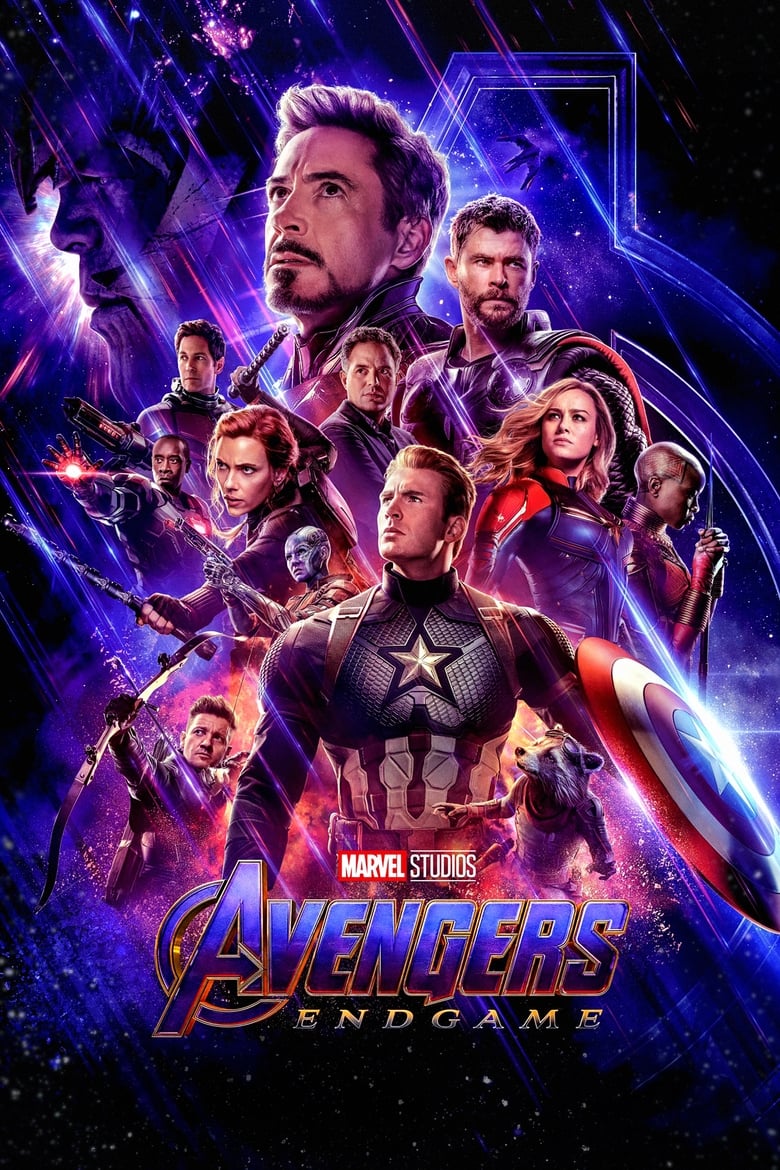
The Avengers in 2012 brought multiple superheroes together on screen for the first time, grossing over $1.5 billion worldwide. Since then, Marvel has produced over 30 interconnected films, culminating in Avengers: Endgame, which became the highest-grossing film of all time.
The Future of Superhero Cinema
With the DC Universe being rebuilt under James Gunn and Marvel continuing to expand its multiverse, superhero cinema shows no signs of slowing down. New characters, new stories, and new creative visions continue to push the genre forward.
Conclusion
From a man in a cape learning to fly to an entire universe of interconnected stories spanning decades — superhero cinema has come an extraordinary distance. It has shaped popular culture, broken box office records, and proven that stories about courage, sacrifice, and hope will always find an audience.